Property types
Flat roofs on apartment buildings
Rental buildings run on a tight budget and a steady stream of tenant calls. A good roofing plan reduces both: fewer leaks, fewer ceiling repairs and no surprises on the day.
- Landlords and property managers
- Walk-up and mid-rise
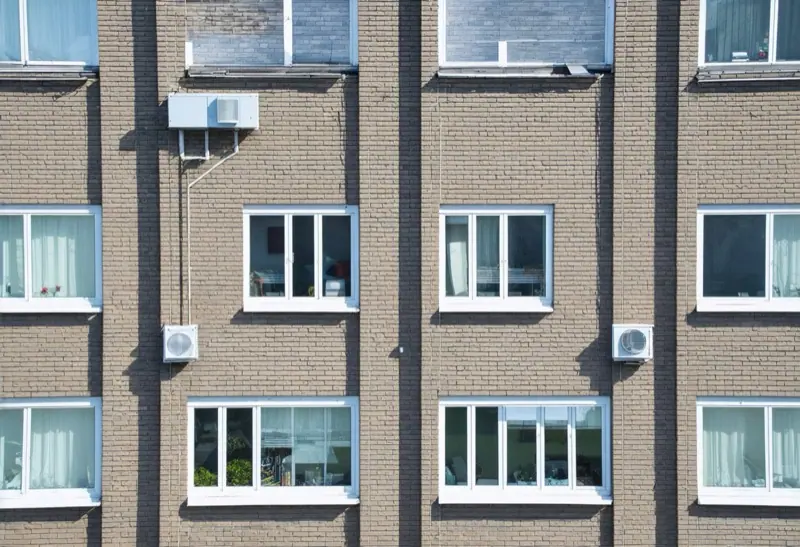
The roofing problem from the landlord’s side
In a rental building the roof leak is not just a roof problem. It is a ceiling, a paint job, a tenant complaint and sometimes an insurance claim, all from one failed flashing. Fixing it early is almost always cheaper than fixing the interior damage several times.
Older three- and four-storey walk-ups in Ontario cities often have a flat tar and gravel or modified bitumen roof over a wood or concrete deck, with a mix of old patches. A written roof plan, even a simple one, lets the owner spread the cost across years instead of paying for emergencies.
Problems we see most
Repeat leaks above the same units
Usually a flashing, a vent stack or a drain that has been patched more than once. See flashing and seam repair.
Blocked drains and scuppers
Leaves and debris mean standing water after storms. See roof drains and scuppers.
Wet insulation
Water trapped under the membrane makes the roof heavy, cold and unreliable. See ceiling water stains.
Rooftop clutter
Old antennas, abandoned pipes and tenant items left on the roof tear the membrane.
Materials that tend to suit
Modified bitumen
Layered, easy to patch and common on walk-ups. See modified bitumen.
TPO
Heat-welded white membrane for larger roofs. Commonly 15 to 25 years. See TPO.
Coating
On a roof that is still dry underneath, a coating can extend life for 7 to 20 years, depending on the coating. See roof coating.
How the work is planned around tenants
Roof survey
Photos, moisture checks and a roof plan marked with problem areas.
Tenant notice
A written notice before the work: dates, hours, what to expect and where to report a problem. Rules on notice for building work are set by the landlord’s obligations and local requirements, so check with your own advisers.
Safety on the ground
Cordon off the area under the roof edge, keep entrances clear and protect any shared outdoor space.
Weather window
Work is scheduled for dry days; a roof left open overnight is covered or sealed.
Noise and smell
Tenants in top-floor units will hear tear-off. Heat-welding and torch work also produce a smell that can enter through windows and vents. Many contractors use cold-applied or self-adhered systems where a torch is unsafe, and the manager can ask which method is planned and whether windows near the roof should be closed.
What the owner or manager should prepare
Roof access
Who has the key to the hatch or stair, and whether the elevator is usable for materials.
Maintenance history
Dates of past leaks, repairs and which units were affected. See flat roof maintenance checklist.
A tenant contact list
So notices go out quickly and complaints reach the right person.
A budget view
Whether the building plans a repair now and a replacement in a few years. See repair or replace.
Starting prices
| Item | Starting price |
|---|---|
| Commercial roof inspection and report | from $450 per roof |
| Maintenance visit (drains, seams, flashings, photos) | from $295 per visit |
| Commercial roof replacement | from $8 per sq ft |
Starting prices in CAD before 13% HST, based on typical Ontario contractor rates (mostly Toronto and the GTA). The final price depends on roof size, access, the layers to remove, the membrane, drains and flashings, and is confirmed in your written quote.
Questions from landlords and managers
Can the roof be done in stages?
Yes. Large roofs are often replaced in sections, with each section sealed at the end of the day. It lowers the risk of an open roof in rain.
Should we do a maintenance plan instead?
On a roof with life left, yes. Twice-yearly visits catch small defects early. See flat roof maintenance.
Leak, damage or an old flat roof?
Send a few details and photos. We reply by email with next steps and a written quote.