Guide
Flat roof maintenance checklist
Most flat roof failures start as something small and visible: a blocked drain, a lifted seam, a crack at a flashing. A short visit twice a year catches them.
When to check
In Ontario the useful moments are early spring after the snow has gone and late fall after the leaves have dropped. Add a check after any major storm or high-wind event. Spring finds winter damage while there is still time to fix it before summer storms. Fall makes sure drains are clear before freeze-up.
Keep a simple log: date, what you saw, photos. A log helps a roofer see how a defect has changed, and it helps a board or an insurer see that the roof was looked after.
Spring check
Drains and scuppers
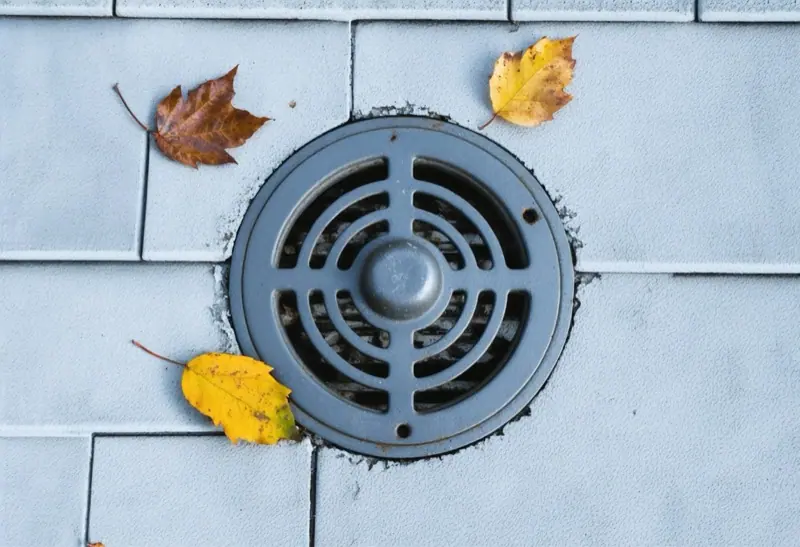
Clear leaves and silt. Pour water to see that it runs out. See clogged drains.
Surface walk
Look for tears, punctures, blisters, bare patches, loose gravel and soft spots.
Seams and laps
Check that seams are flat and sealed, not curling or open. See open seams.
Flashings and edges
Look at the base of walls, curbs, vents and edge metal for gaps, cracked sealant and lifted corners. See flashing leaks.
Ponding check
Note where water is still standing 24 to 48 hours after rain. See ponding water.
Inside
Look at ceilings under the roof for new stains or damp insulation.
Fall check
Clear everything off the roof
Leaves, branches, old equipment, bags of salt, tools. Debris holds water and cuts membrane.
Re-clear drains
Do this once more after the last leaf drop.
Check penetrations
Pipes, vents, rooftop units, skylights and conduit. See skylight and penetration repair.
Repair small defects
Fix lifting seams and small cracks before temperatures drop and materials stiffen.
Photograph the roof
Date-stamped photos give you a baseline for next spring.
After a big storm
Look for debris and impact damage
Branches, hail marks and displaced gravel.
Check wind-lifted edges
Look at perimeters and corners first. See wind damage.
Watch interior ceilings
A stain may appear days after the rain, as water moves through the layers.
Check the drains again
Storm debris collects fast.
Things not to do
Do not use sharp tools on the membrane
Ice picks and metal shovels cut membranes. See flat roof in winter.
Do not seal everything with roof cement
Thick layers of cement over cracks hide the real problem and make a later repair harder.
Do not let others store items on the roof
Rooftop clutter hides defects and holds water.
Do not ignore a small stain
A stain is the last place the problem shows. See ceiling water stains.
When to bring in a roofer
If you find open seams, wet spots, ponding that returns or damage at a flashing, a roofer can check and fix it. A maintenance visit covers drains, seams, flashings and photos, starting from $295 per visit before HST. Buildings with larger roofs often book two visits a year. A roof with no records and an unknown age is a good case for a full inspection first; see flat roof inspection.
Keeping a roof file
Put the maintenance log, the photos, the invoices and the manufacturer documents in one folder, on paper or on a drive. Add the drawings if you have them. When a leak appears in year twelve, the first question from any roofer is what was done before, and the file answers it.
For buildings with several managers over the years, the file also protects continuity. A new manager who finds two years of dated photos knows which ponding spot is new and which one has been there since the roof was installed.
What to hand the roofer
When you do call someone, bring the log, the photos and a short list: where water stands, which seams lift, which drains slow down and which ceilings have stains. That shortens a visit and keeps the price to the work that is needed.
If your building has a regular contractor, ask them to write what they checked on each visit. A one-line note per drain, seam and flashing is enough, and it builds the history that a roofer or a board needs when the roof gets older.
Questions about maintenance
How often should a flat roof be inspected?
Twice a year plus after major storms is the usual advice for flat roofs in Ontario.
Can I do the maintenance myself?
Clearing drains and photographing the roof are easy for many owners if the roof is safely reachable. Repairs to membranes and flashings are better left to a roofer.
Does maintenance change how long the roof lasts?
Usually yes, because small defects get fixed before water gets in. See how long a flat roof lasts.
Leak, damage or an old flat roof?
Send a few details and photos. We reply by email with next steps and a written quote.