Property types
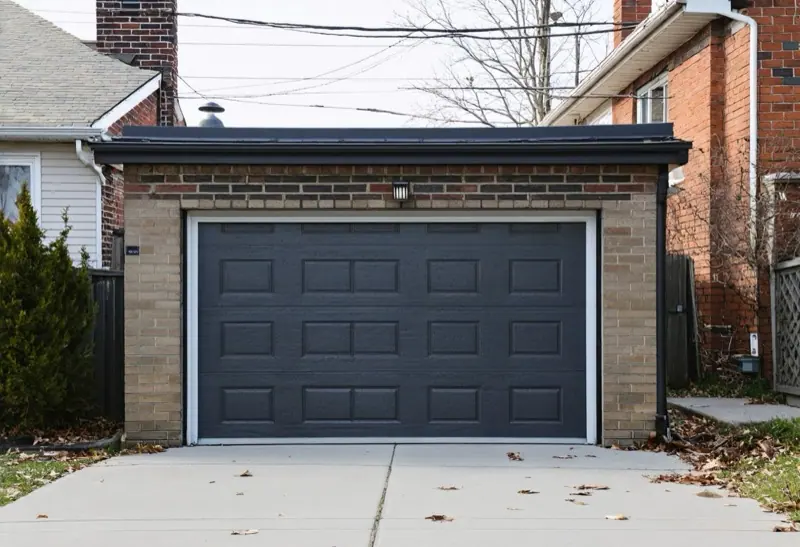
Flat roofs on garages and additions
Small flat roofs are the most common first roofing job a homeowner faces. They are also where the per-square-foot price looks worst, because the fixed costs do not shrink with the roof.
- Garages
- Porches and additions
- Detached outbuildings
Why small roofs cost more per square foot
A contractor spends about the same time on setup, a dumpster or disposal run, safety gear and cleanup whether the roof is 150 square feet or 1,500. Spread over a small roof, those fixed costs are a larger share. That is why a small roof is usually priced as a flat job, not a per-square-foot rate; see the small roof price for a starting point.
The way to keep a small-roof price fair is to make the job simple: clear access, a clear roof edge, a plain description of what is there now and a decision on materials before the contractor arrives.
Typical problems
Detached garages with no drain
Water runs off one edge and soaks the fascia and wall. Adding a drip edge or scupper can solve it. See roof drains and scuppers.
Additions with a low slope
A roof built nearly flat over a room holds water at the low end. See ponding water.
Failed wall flashing
Where the addition roof meets the main house, a small gap lets water run down the wall. See flashing leaks.
Tree debris and moss
Shaded roofs under trees stay wet and break down faster.
Old roll roofing
Thin single-layer roofs split along seams after several winters. See open seams.
Repair, recoat or replace
A garage roof with one split seam and dry decking below is a repair. A roof with soft spots under foot, daylight at the eaves or an interior ceiling that has been wet for years is a replacement. A roof in decent shape but worn on top may suit a coating. The straight answer comes from a look at the roof and a probe of the deck, not from a photo alone.
For help weighing the options, read repair or replace a flat roof.
How a small roof job runs
Quote from photos and a visit
Send size, photos and age through the quote form.
Tear-off
The old layers come off down to the deck; any rotten plywood is replaced and priced as an extra per sheet.
New layers
Insulation if the room below is heated, then the membrane, edge metal and flashing.
Cleanup
Debris out, yard swept, drains checked.
Starting prices
| Item | Starting price |
|---|---|
| Small flat roof replacement (garage, porch or addition) | from $4,000 per roof |
| Small leak repair (patch, seam or puncture) | from $350 per repair |
| Flashing repair or replacement | from $500 per repair |
Starting prices in CAD before 13% HST, based on typical Ontario contractor rates (mostly Toronto and the GTA). The final price depends on roof size, access, the layers to remove, the membrane, drains and flashings, and is confirmed in your written quote.
Questions about garage and addition roofs
Does a garage roof need insulation?
An unheated garage generally does not, but a heated addition or a workshop does. Mention how the space is used in your quote request.
Can a new membrane go over the old one?
Sometimes, if the old layer is dry and flat. Often it is better to remove it so the deck can be checked. A written scope should say which approach is used.
What if the plywood is rotten?
Bad decking is replaced before the new roof goes on. Ask for the extra cost per sheet in the quote so it is not a surprise.
Leak, damage or an old flat roof?
Send a few details and photos. We reply by email with next steps and a written quote.